close
Choose Your Site
Global
Social Media




| Quantity: | |
|---|---|
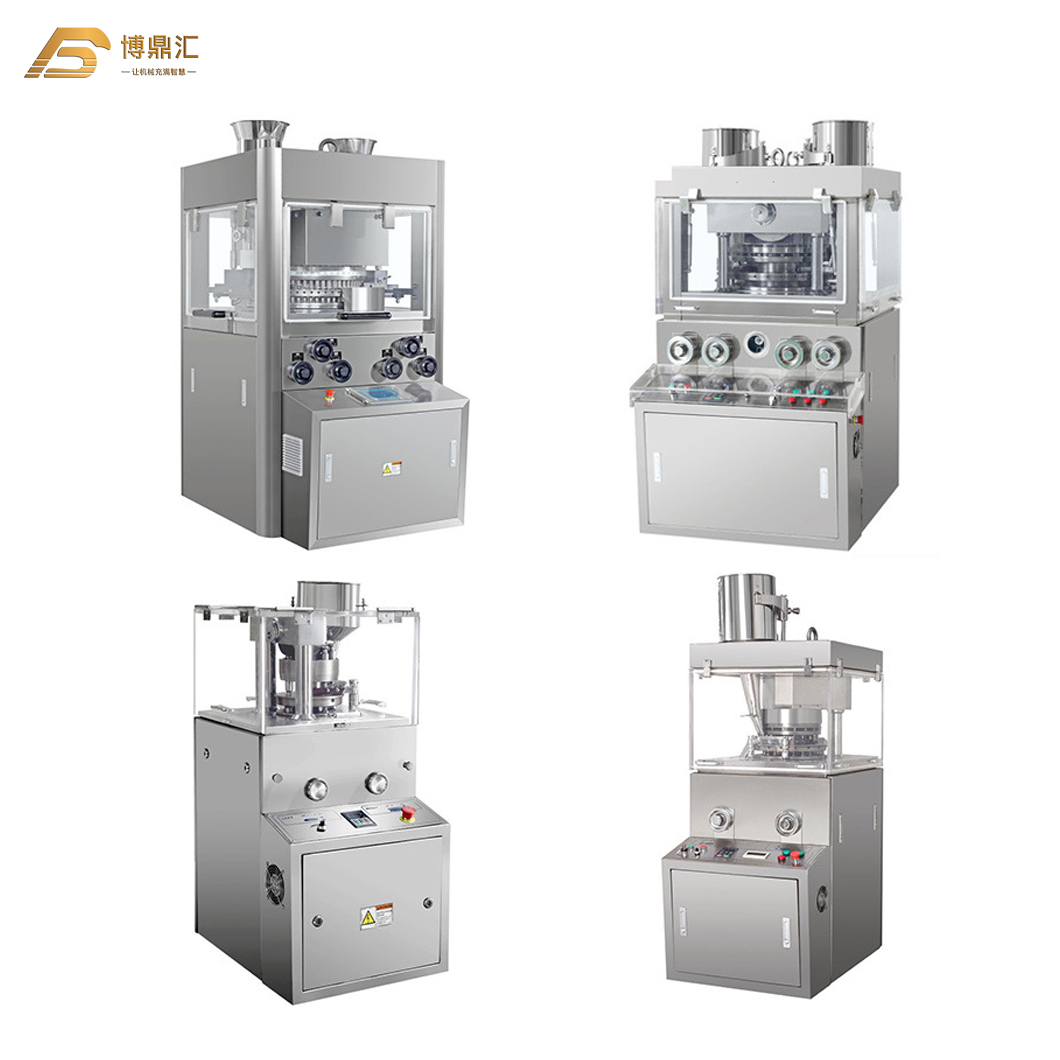
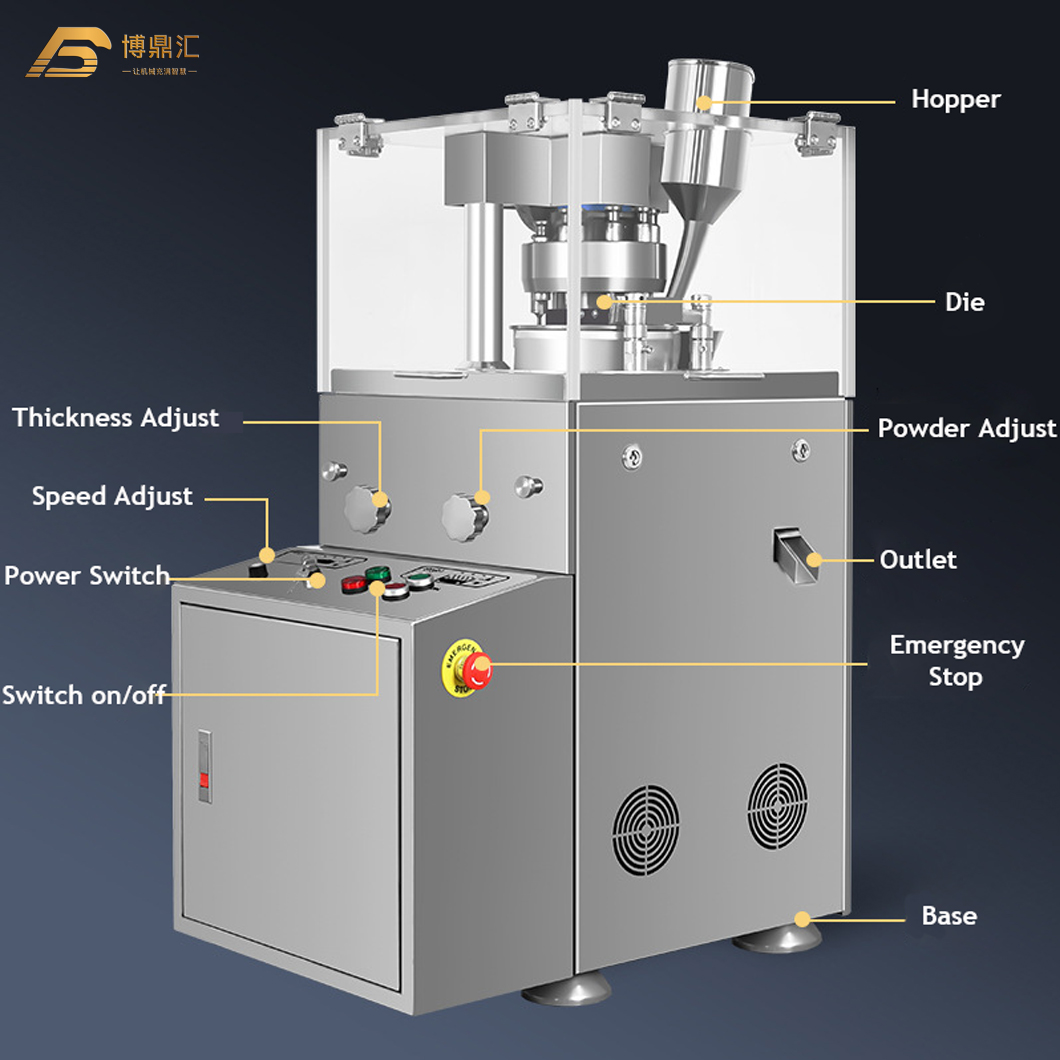
The Automatic Rotary Medicine Tablets Pill Press Making Machine from Powder stands as the cornerstone of any modern solid dosage manufacturing facility. When raw formulation blends enter the heavy-duty stainless steel hopper, they are meticulously guided into precisely machined cylindrical dies. The rhythmic, low-decibel hum of the rotating turret signifies the flawless orchestration of upper and lower punches converging under immense pressure. This dual-compression choreography—beginning with a gentle pre-compression to expel trapped air, followed by a formidable main compression—forges loose powders into flawlessly solid tablets with a smooth, polished finish and unyielding structural integrity.
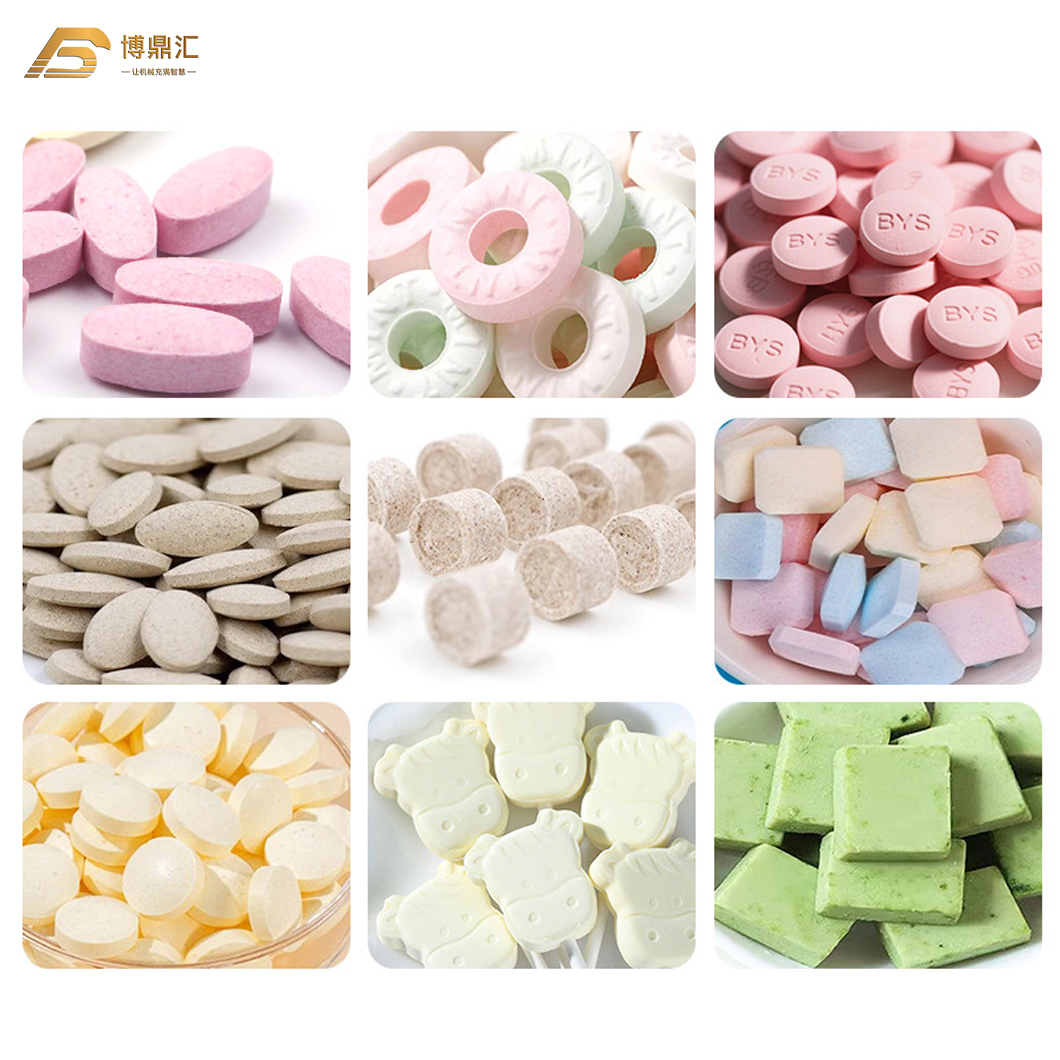
Every cycle guarantees a crisp snap and a uniform weight, eliminating the risk of capping, lamination, or crumbling during transit. Whether your facility is producing critical pharmaceutical dosages, effervescent nutraceuticals, compressed coffee discs, or yogurt candies, this machine transforms volatile powders into tangible, perfectly contoured assets. The tactile feel of the finished product reflects the uncompromising mechanical precision of the press, driving your production line forward with relentless consistency and securing your reputation for excellence in every single batch.
Application: | Medical tablets, candy, coffee tablets, milk yogurt tablets, etc |
Capacity: | 9000/13000/16800/25000 tablets/h(customized) |
Pressure: | 40/60KN |
Maximum filling depth: | 15mm |
Power rate: | 220V/50HZ |
Elevate your facility's output capabilities with engineering that prioritizes both operational fluidity and end-product perfection. This rotary press is meticulously crafted to solve the most common bottlenecks in solid dosage manufacturing, ensuring that your capital investment translates directly into increased yield, minimized material waste, and drastically reduced maintenance downtime.
Flawless De-aeration Dynamics: The integrated pre-compression phase gently compacts the powder blend, effectively squeezing out microscopic air pockets before the final strike. This mechanical sequence drastically reduces the chances of tablet delamination, ensuring a smooth, hard surface.
Versatile Tooling Compatibility: Swap out punch and die configurations swiftly to pivot between round, oval, or intricately embossed geometries. This allows your facility to cater to diverse client demands without requiring multiple dedicated machines.
Intuitive Operator Interface: The centralized control panel simplifies complex pressure and fill-depth adjustments into a few screen taps, drastically reducing the training curve for your floor technicians and mitigating human error.
Hygienic Material Handling: Constructed with premium, non-reactive contact parts, the machine prevents cross-contamination and ensures that every batch retains its pure, intended chemical profile, safeguarding your brand's integrity.
Industrial procurement specialists highly prioritize the output volume per unit of time and the resulting return on investment. This equipment is engineered to maximize your operational throughput without sacrificing structural integrity. By leveraging a multi-station rotating turret design, the machine delivers a highly customizable production capacity ranging from 9,000 to 25,000 tablets per hour, perfectly aligning with your specific scale of operations.
Optimized Dual-Compression: The integration of both pre-compression and main compression systems effectively increases the powder de-aeration rate, ensuring smooth continuous operation.
Defect Reduction: High-speed production often leads to structural flaws; however, our precise mechanical timing minimizes capping and friability, safeguarding your yield.
Continuous Output Stability: The robust drive mechanism ensures that the machine maintains peak production speeds for extended shifts without thermal overload or mechanical fatigue.
Accelerated ROI: By drastically reducing waste and maximizing hourly output, the equipment accelerates the amortization of your capital expenditure.
The weight, hardness, and geometric perfection of a tablet or food product are non-negotiable core metrics. This machine establishes a rigorous quality control loop right at the point of compression. Utilizing high-precision, wear-resistant steel dies, it guarantees that every single unit emerges with razor-sharp edges and an unblemished surface, ready for immediate packaging or coating.
Real-Time Force Monitoring: Integrated pressure sensors continuously track the compression force, instantly detecting any anomalies in the powder blend density.
Automated Weight Regulation: A non-contact control system dynamically adjusts the filling depth on the fly, ensuring absolute dose uniformity across millions of cycles.
Instantaneous Rejection: Any tablet failing to meet the strict weight or density parameters is automatically diverted from the main collection chute, preventing defective batches.
Unyielding Tooling Durability: The high-grade steel punches resist abrasive wear, maintaining exact dimensional tolerances even after months of relentless production.
Modern manufacturing facilities demand equipment that seamlessly integrates into digital management ecosystems. This rotary press elevates floor operations by replacing manual guesswork with deterministic digital control. The sophisticated PLC and HMI touch screen interface serve as the brain of the operation, transforming complex mechanical adjustments into intuitive digital commands.
Comprehensive Recipe Management: Store dozens of specific product formulations in the system memory, allowing operators to switch production parameters instantly without manual recalibration.
Regulatory Compliance Ready: The software supports robust production data logging, aligning perfectly with the strict 21 CFR Part 11 compliance requirements mandated in the pharmaceutical sector.
Reduced Operator Dependency: By automating depth and pressure adjustments, the machine significantly lowers the skill barrier required for operation, minimizing human-induced errors.
Diagnostic Alerts: The system provides real-time visual feedback and predictive maintenance alerts, empowering your maintenance crew to address issues before they cause unexpected downtime.
Contract manufacturers and multi-product enterprises require equipment that can pivot rapidly between different production specifications. This machine is fundamentally designed for agility. Whether you are processing free-flowing granules or cohesive, challenging powder blends, the equipment adapts to your formulation rather than forcing you to alter your chemistry.
Tool-Free Changeover System: The quick-release mechanisms allow technicians to dismantle and replace the punch and die sets in a fraction of the traditional time, maximizing operational uptime.
Customizable Geometries: Beyond standard round tablets, the system effortlessly accommodates oval, capsule-shaped, irregular, and custom-embossed tooling for distinct brand identification.
Modular Feeding Solutions: Equip the press with single, dual, or forced feeding modules to perfectly match the flow characteristics of your specific powder, preventing bridging or rat-holing in the hopper.
Multi-Layer Capabilities: The segmented die table architecture provides a pathway for producing complex multi-layer tablets, expanding your product portfolio offerings.
The lifecycle cost and long-term durability of industrial machinery are heavily dependent on its structural foundation. We engineered this press to withstand the punishing realities of 24/7 manufacturing environments. The heavy-duty machined turret and rigid frame architecture work in tandem to absorb and dissipate the immense kinetic energy generated during high-tonnage compression.
Vibration Dampening Design: The massive, low-center-of-gravity frame minimizes deflection and operational vibrations, ensuring the punches align perfectly with the dies even at maximum RPM.
GMP-Compliant Contact Surfaces: All components interacting with the formulation are forged from premium stainless steel and specialized alloys, offering absolute resistance to corrosion and chemical degradation.
Extended Component Lifespan: Self-lubricating tracks and sealed bearings protect critical moving parts from abrasive powder ingress, drastically extending the intervals between major overhauls.
Acoustic Insulation: The heavy casing not only protects the internal mechanics but also dampens operational noise, creating a safer and more comfortable acoustic environment for floor personnel.
Protecting your workforce and maintaining an immaculate cleanroom environment are the absolute baselines for any responsible production facility. This equipment integrates passive and active safety architectures to shield operators from mechanical hazards and prevent active pharmaceutical ingredients (APIs) from contaminating the ambient workspace.
Interlocked Perimeter Guarding: Transparent, shatter-resistant enclosure doors feature strict safety interlocks; the machine instantaneously halts all movement the moment a door is breached.
Integrated Dust Extraction: Strategically placed vacuum ports capture airborne particulates directly at the compression zone, eliminating dust clouds and preventing cross-contamination.
Ergonomic Accessibility: Despite the heavy guarding, the design allows unimpeded access to the turret and feeding zones during maintenance, reducing physical strain on your technicians.
Sanitary Washdown Readiness: The smooth, crevice-free exterior surfaces and sloped drainage angles ensure that cleaning fluids and residual powders are easily purged during batch changeovers.
Partnering with a dedicated industrial equipment manufacturer means securing a definitive competitive edge in a demanding global market. We understand that procurement is not merely about acquiring hardware; it is about establishing a reliable, long-term foundation for your continuous manufacturing processes. Our commitment to your operational success extends far beyond the initial installation, ensuring your facility remains at peak performance.
Uncompromising Quality Assurance: Every single machine undergoes rigorous factory acceptance testing (FAT) to guarantee it withstands the harshest continuous operational environments before it ever leaves our floor.
Comprehensive Technical Support: Our dedicated engineering team provides rapid-response troubleshooting and preventative maintenance guidance, minimizing unexpected downtime and keeping your production schedules strictly on track.
Tailored Engineering Solutions: We reject the one-size-fits-all mentality. Our design team collaborates directly with your facility managers to customize hopper capacities, turret configurations, and software integrations to match your exact workflow.
Global Compliance Standards: Our equipment is engineered from the ground up to align seamlessly with stringent international manufacturing and hygiene protocols, ensuring your facility passes critical audits with absolute confidence.
Navigating the complexities of solid dosage manufacturing requires precise, authoritative information. Below, we address the most critical technical inquiries from facility managers and procurement specialists regarding the integration and operation of our rotary press systems.
Q1: How does the dual-compression system specifically prevent tablet capping?
A: The pre-compression phase applies a calculated, lighter force to the powder bed, forcing trapped air to escape before the final compaction. This prevents the pneumatic expansion that typically causes the top layer of the tablet to shear off (capping) during the main compression strike.
Q2: Can the equipment reliably handle cohesive or poorly flowing powder blends?
A: Yes. The machine can be equipped with a modular forced-feeding system featuring rotating paddles. This mechanism actively drives sluggish or sticky powders into the dies, ensuring a consistent fill volume and preventing the bridging that occurs in standard gravity-fed hoppers.
Q3: What is the standard procedure and timeframe for changing the punch and die tooling?
A: Thanks to the tool-free, quick-release segment design, a trained technician can completely swap out the punch and die sets in a fraction of the time required by legacy machines. This drastically reduces your batch-to-batch changeover downtime.
Q4: Does the control system support secure data logging for regulatory compliance?
A: Absolutely. The integrated PLC and HMI software track all critical production parameters, including pressure deviations and output counts. This secure data logging is designed to support pharmaceutical facilities in meeting strict 21 CFR Part 11 compliance requirements.
Q5: How is hazardous dust containment managed during high-speed continuous operation?
A: The press features full perimeter transparent guarding combined with integrated vacuum extraction ports located directly adjacent to the compression and ejection zones. This active suction captures airborne particulates immediately, protecting operators and maintaining cleanroom integrity.